26 March 2026
Resident Alien Status: The Most Important Concept in Philippine Tax for Foreigners
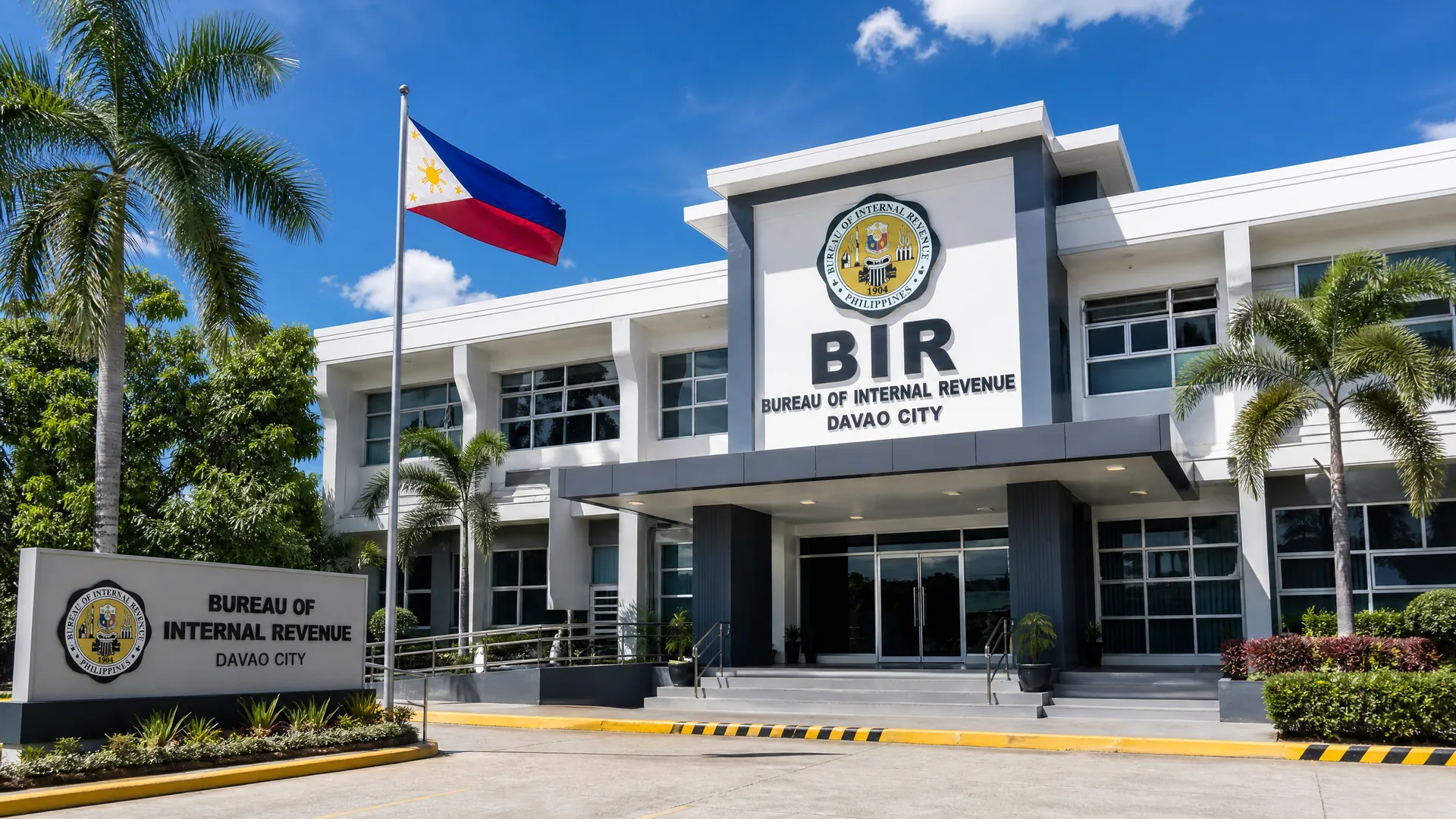
If you read only one article about Philippine tax as a foreigner, make it this one. Everything else, the visas, the banking, the structures, sits on top of a single distinction. Get this right and the rest of the system makes sense. Get it wrong and nothing else will save you.
The distinction is between a Resident Alien and a Non-Resident Alien. The gap between the two is not a rounding error. It is the difference between paying nothing on your foreign income and being taxed flatly with no deductions. For almost everyone we work with, becoming a Resident Alien is the entire objective.
What a Resident Alien is
A Resident Alien is a foreigner who meets one of two conditions:
- •Spends more than 183 days in the Philippines in a calendar year, or
- •Holds a qualifying long-stay visa: an SRRV, SIRV, 9G, or 13(a) spousal visa
Notice that it is one or the other. You do not need both. This is the point most people miss, and it is the key that unlocks the whole strategy. You can establish Resident Alien status either by being physically present beyond the day threshold, or by holding the right visa regardless of how many days you spend in the country.
As a Resident Alien, only your Philippine-sourced income is taxable. Foreign income is fully exempt. That means:
- •Dividends from foreign companies and brokerages: exempt
- •Capital gains on foreign securities and assets: exempt
- •Interest from foreign accounts: exempt
- •Salary or fees from foreign employers and clients: exempt
- •Rental income from properties abroad: exempt
This holds even if you transfer that income into a Philippine bank account. The Philippines does not tax foreign-sourced income on remittance. Once it is foreign-sourced, it stays outside the Philippine net.
Any genuinely Philippine-sourced income you do earn is taxed at the local progressive rates, which run up to 35%. For most of our clients, who earn from foreign clients, foreign investments, and foreign businesses, the local taxable figure is small or zero.
What a Non-Resident Alien is
A Non-Resident Alien is a foreigner who stays fewer than 183 days in a calendar year and holds no qualifying long-stay visa. If not engaged in trade or business in the Philippines, a Non-Resident Alien faces a flat 25% withholding tax on any Philippine-sourced gross income, with no deductions permitted.
The contrast is stark. Consider a consultant earning USD 300,000 a year entirely from foreign clients. As a Resident Alien, that income is foreign-sourced and exempt, so the Philippine tax on it is zero. The same person, if they fall on the wrong side of the line and pick up Philippine-sourced income as a Non-Resident Alien, is taxed flatly with nothing deductible. Same person, same work, wildly different outcome, decided entirely by status.
The two roads to Resident Alien status
Because there are two qualifying conditions, there are two ways in.
The day-count road suits someone who is happy to spend most of the year physically in the Philippines. Cross 183 days and you qualify on presence alone. The tourist extension route, run continuously, gets you there.
The visa road is the one that changes the game for internationally mobile people. An SRRV, SIRV, or 9G confers Resident Alien status through the visa itself, independent of how many days you spend in-country. You could spend three months a year here and still hold a recognised Philippine tax residency, because your status rests on the visa, not on a calendar.
For a person who travels constantly but wants a fixed, defensible tax base, the visa road is the whole reason the Philippines works. You get the tax position without the obligation to sit still.
Why this is the foundation of everything
Resident Alien status is not just a tax label. It is what makes the rest of a Philippine base credible. It underpins your BIR registration, your Certificate of Tax Residency, your ability to tell a foreign bank or your former home tax authority that you are genuinely resident and taxed here. A base without genuine Resident Alien status is a postal address with extra steps. A base with it is a real position that holds up to scrutiny.
What it does not do is rewrite your home country's rules. If you are American, you remain taxable on worldwide income regardless. If you are leaving a country with exit taxes or controlled-foreign-company rules, those apply on the way out. Resident Alien status governs your Philippine position. It is a powerful piece, not the whole board.
How we help
We get every client to Resident Alien status, by the road that fits them: continuous presence for those who want to be here most of the year, or a qualifying visa for those who travel. Either way, we build the documentation underneath it, the lease, the TIN, the BIR registration, so the status is real and provable, not asserted.
Understand this one distinction and the Philippines stops being a brochure and starts being a strategy.
Ready to build your Davao base?
Order services directly, or book a call with Tim to discuss your situation first.