21 May 2026
The Philippines Digital Nomad Visa: Why It Still Does Not Exist (and What Actually Works)
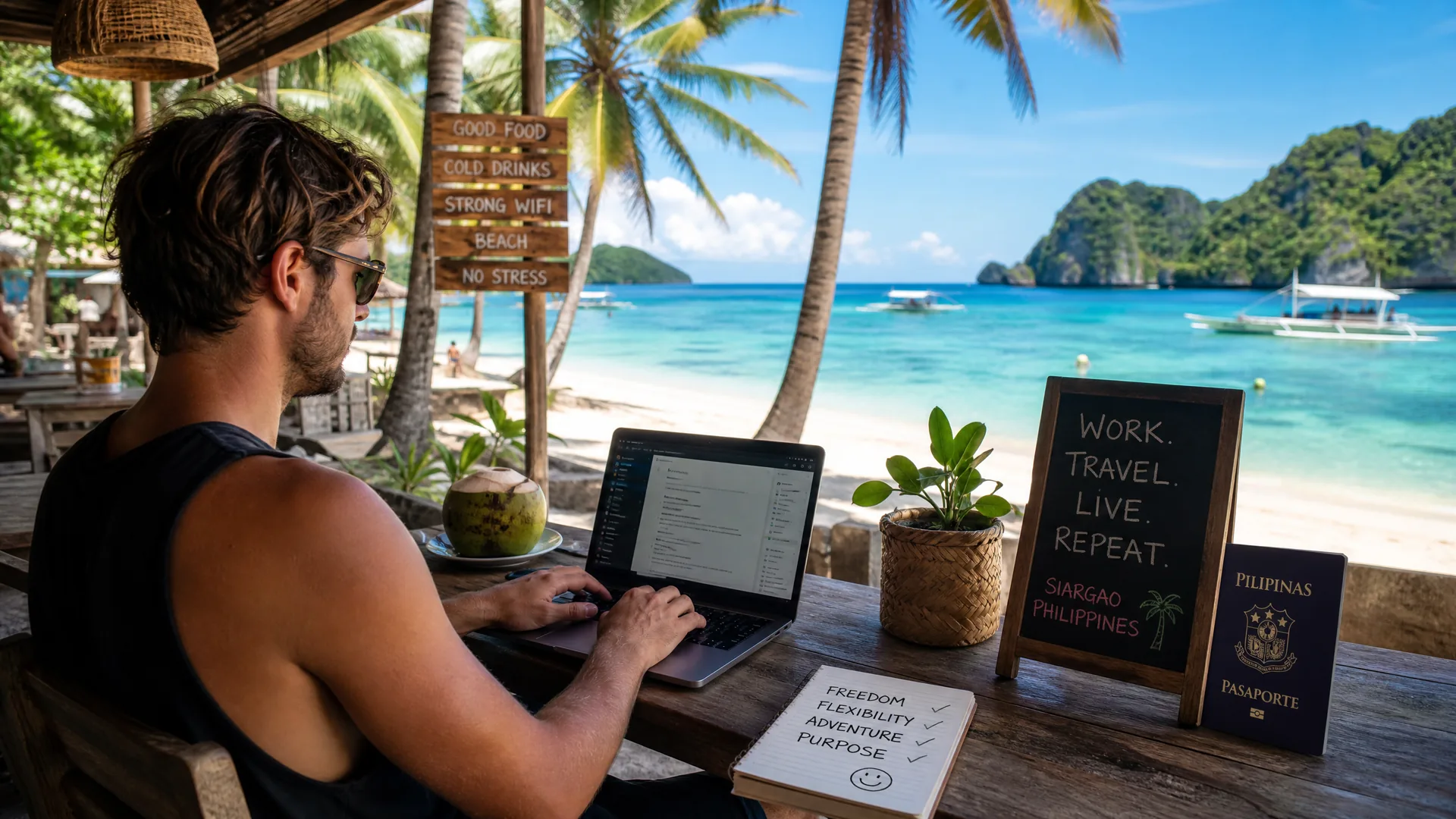
Search "Philippines digital nomad visa" and you will find a dozen confident guides explaining how to apply, what the income threshold is, and how long processing takes. Here is the uncomfortable truth most of them bury: as of now, you cannot actually get this visa. It was announced. It was never made to work.
We would rather tell you that plainly than sell you a guide to a visa that does not function.
What was announced
In April 2025, the Philippine government signed Executive Order No. 86, creating a legal framework for a Digital Nomad Visa and directing several agencies to operationalise it. On paper, the plan was attractive: up to one year, renewable for a second, multiple-entry, for foreign nationals working remotely for clients or employers outside the Philippines. A pilot was supposed to begin within sixty days.
What actually happened
More than a year later, the visa is not operational in any usable sense:
- •No official list of qualifying countries has been published. The order ties eligibility to a reciprocity rule, your country must offer a comparable visa to Filipinos and host a Philippine Foreign Service Post, but the list that would tell you whether you qualify does not exist publicly. Major advisory firms have noted this gap.
- •No reliable application process is in force. The implementing rules that would turn the framework into a working visa have not materialised.
- •The guides claiming it is "now accepting applications" are, almost without exception, visa-service marketing sites, and even they hedge with "confirm with the authorities first."
Our honest assessment: this is a framework that was announced and then stalled. We would not advise any client to plan around it, and we would not bet on it arriving on any particular timeline.
What actually works for remote workers
The good news is that you do not need the Digital Nomad Visa, because the route it was meant to formalise already exists and works today: the tourist extension.
Most Western nationals enter visa-free, receive an initial stamp, and extend from inside the country up to a total of 36 months of continuous stay. Income earned from foreign clients is foreign-sourced, and under the Philippines' territorial tax system it sits outside Philippine tax. Cross 183 days and you become a Resident Alien, the most advantageous tax position available to a foreigner. The full mechanics are in our guide to the 36-month tourist route.
If you are 40 or over and want something permanent rather than a rolling extension, the SRRV is the real answer, and unlike the Digital Nomad Visa, it actually exists.
The bottom line
The Philippine Digital Nomad Visa is, for now, a press release rather than a product. If it ever becomes real, we will say so and help clients use it. Until then, ignore the hype, use the tourist route or the SRRV, and build a base that rests on routes that work today, not on one that may never arrive.
Ready to build your Davao base?
Order services directly, or book a call with Tim to discuss your situation first.